
ABOUT US
GET A FREE QUOTE


Emerging Markets Fuel Demand for Affordable and Localized Medical Technology Solutions
June 18, 2024 – Global Medical Device Markets
Growing healthcare needs across Southeast Asia, Africa, and Latin America are driving medical device manufacturers to develop cost-effective medical equipment tailored to resource-limited settings. These products retain core functionalities while incorporating simplified designs, localized manufacturing, and durable components to reduce costs and enhance accessibility. This trend not only addresses gaps in healthcare equity but also opens new growth avenues for companies specializing in emerging market medical solutions. Key segments seeing rapid adoption include portable diagnostic devices, reusable surgical instruments, and mobile clinic setups, all designed to perform reliably in diverse environments and supply chain conditions.
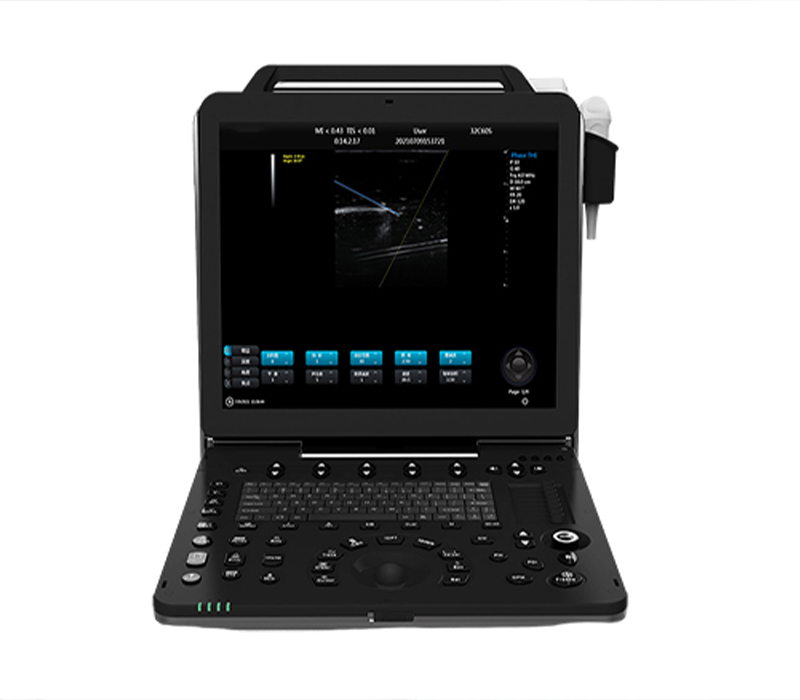
Portable Ultrasound Systems Gain Traction as First-Line Tool for Point-of-Care Diagnostics
*July 8, 2024 – Medical Imaging & Point-of-Care Ultrasound*
Handheld ultrasound devices are transforming clinical workflows by serving as the primary imaging tool in emergency medicine, primary care clinics, and remote medical settings. Advances in portable ultrasound technology, combined with AI-assisted image interpretation, have made these devices more intuitive and accessible for non-specialist clinicians. These point-of-care ultrasound (POCUS) systems support faster decision-making in critical scenarios such as trauma, respiratory distress, and abdominal emergencies. With the global shift toward decentralized healthcare, compact ultrasound machines are poised to become essential equipment in improving diagnostic speed and accuracy outside traditional radiology departments.

Telemedicine Adoption Grows 150% for Chronic Disease Management, Study Reveals
May 20, 2024 – Telemedicine & Digital Health
According to a recent study published in the Journal of Medical Internet Research, the use of telemedicine for chronic disease management has surged by 150% in the post-pandemic period. The analysis, which included over 100,000 patients, confirmed that remote patient monitoring and virtual consultations significantly improve medication adherence, patient engagement, and overall satisfaction. Despite this rapid growth, key barriers remain, including limited digital literacy among elderly patients and inconsistent telemedicine reimbursement policies. The findings underscore the importance of integrating scalable telehealth platforms and remote care solutions into mainstream healthcare delivery, particularly for managing conditions such as diabetes, hypertension, and COPD.

Cybersecurity Becomes Critical Priority for Connected Medical Devices, Driving New Regulatory Standards
April 22, 2024 – Medical Device Cybersecurity
As connected medical devices become ubiquitous across hospitals and home care settings, global regulatory bodies—including the FDA and European authorities—are enforcing stricter medical device cybersecurity protocols. Manufacturers are now required to implement end-to-end security measures covering initial design, development, post-market surveillance, and software updates. These regulations aim to safeguard patient data privacy and prevent cyber threats that could disrupt device performance or clinical operations. For healthcare providers, selecting cybersecurity-certified medical equipment is becoming a critical factor in procurement, ensuring both regulatory compliance and operational safety in an increasingly digital healthcare environment.